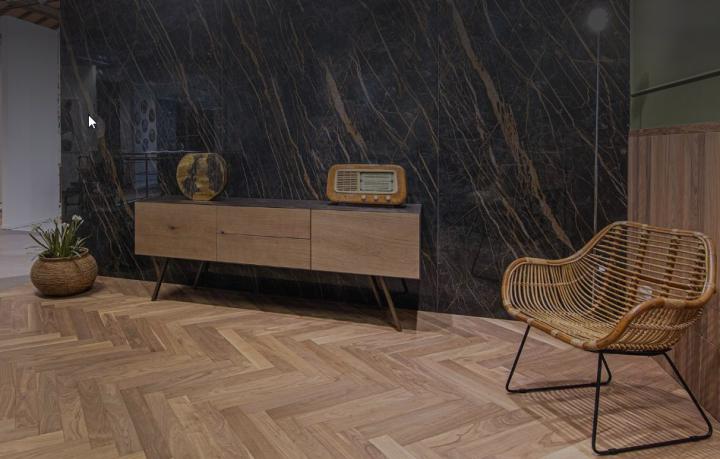
Home furnishing is more than just selecting a few pieces of furniture or adding decorative items to a living space. It’s the art of creating an environment that reflects personality, lifestyle, and comfort. Every home tells a story, and the way it is furnished determines how that story unfolds. From the selection of colors and textures to the placement of furniture and lighting, every detail contributes to making a house feel like a true home.
Home furnishing involves the thoughtful process of choosing rivestimenti roma that complement one another while serving both functional and aesthetic purposes. It goes beyond mere decoration—it’s about achieving balance between style and practicality. Whether you live in a compact apartment or a spacious villa, the right furnishing choices can enhance comfort, functionality, and visual appeal.
The essence of good home furnishing lies in creating harmony between different design elements. Colors, fabrics, materials, and lighting should work together to establish a cohesive atmosphere. The goal is to craft a space that not only looks inviting but also supports your daily routines and well-being.
Furniture serves as the foundation of any home furnishing project. Each piece not only serves a purpose but also influences the character of the entire space. Sofas, chairs, tables, and beds define how we use and interact with our environment. The selection of furniture should therefore be guided by comfort, proportion, and quality.
For instance, living room furniture should encourage relaxation and conversation, while bedroom furniture should promote tranquility and rest. A well-designed dining area brings family and friends together, fostering connection and warmth. When choosing furniture, it’s important to consider durability and craftsmanship—these are long-term investments that define your home’s functionality.
Color plays a vital role in shaping mood and perception within a home. Warm tones like beige, terracotta, and gold create a sense of coziness, while cool hues like blue, gray, and white evoke calmness and openness. Meanwhile, bold colors such as red or emerald green add energy and drama to the space.
Textures, on the other hand, bring depth and dimension to interiors. A combination of smooth, rough, glossy, and matte surfaces keeps the room visually interesting. For example, pairing a velvet sofa with a wooden coffee table and a wool rug adds layers of comfort and sophistication. Textural variety prevents monotony and enriches the overall experience of a room.
Lighting is often underestimated in home furnishing, yet it is one of the most powerful tools in transforming spaces. Proper lighting enhances architectural features, highlights décor elements, and sets the overall mood. A balanced combination of ambient, task, and accent lighting ensures that a room feels both functional and inviting.
Natural light should be maximized whenever possible. Large windows, sheer curtains, and strategically placed mirrors can help distribute daylight throughout a room. At night, warm-toned lighting fixtures such as chandeliers, wall sconces, and floor lamps can create a cozy ambiance.
Accessories are like the jewelry of a home—they add personality, charm, and individuality. Items such as artwork, cushions, vases, and rugs contribute to the visual narrative of your interiors. These small details often make the biggest impact.
When accessorizing, it’s best to strike a balance between simplicity and creativity. Overcrowding a space with too many decorative elements can create visual chaos, while too few can make a room feel sterile. Thoughtful placement of art pieces, decorative bowls, or indoor plants can bring life to any corner of your home.
In recent years, sustainable home furnishing has gained significant attention. Homeowners are now more conscious about using materials that are eco-friendly, durable, and ethically sourced. Bamboo furniture, reclaimed wood, organic cotton fabrics, and recycled glass décor are excellent examples of sustainable options that combine beauty with responsibility.
Moreover, sustainability also involves choosing timeless designs that outlast temporary trends. Investing in quality pieces that endure through years reduces waste and ensures long-term satisfaction.
Every home benefits from a unified theme or style. Whether it’s modern minimalism, rustic charm, industrial elegance, or Scandinavian simplicity, having a defined concept ensures consistency throughout your home.
Modern Style: Characterized by clean lines, neutral colors, and sleek finishes. It emphasizes simplicity and functionality.
Rustic Style: Brings warmth through natural materials like wood, stone, and metal, offering a cozy and inviting atmosphere.
Scandinavian Design: Focuses on light tones, open spaces, and practicality. It’s perfect for creating an airy, clutter-free environment.
Industrial Aesthetic: Combines raw elements like exposed brick, steel, and unfinished wood to produce a bold and urban look.
The key is to select a theme that aligns with your personality and lifestyle while maintaining visual consistency throughout the home.
Effective space planning is an integral part of successful home furnishing. The arrangement of furniture should promote ease of movement and comfort. For example, in a living room, ensure that seating encourages conversation and that walkways remain clear. In the kitchen, prioritize efficiency by organizing areas for cooking, storage, and cleaning logically.
Using multifunctional furniture, especially in small homes, helps maximize space. Items like sofa beds, extendable tables, or storage ottomans add versatility and practicality.
The way a home is furnished affects not only aesthetics but also mental well-being. A clutter-free and harmonious environment can reduce stress and promote relaxation. Natural elements such as plants, wooden accents, and daylight have proven benefits for mood and concentration.
Your home should serve as a sanctuary where you can unwind after a busy day. Thoughtful furnishing choices can help establish this sense of refuge and balance.
As lifestyles evolve, so does home furnishing. The future leans towards smart, flexible, and sustainable solutions. Smart furniture with integrated technology, modular designs that adapt to different needs, and eco-conscious materials will continue to shape modern homes.
Additionally, personalization will remain at the heart of furnishing trends. Homeowners will seek unique designs, handmade items, and custom-built furniture that express individuality.
Home furnishing is an art that merges functionality with aesthetic appeal. It’s about crafting spaces that reflect who we are, support our routines, and nurture comfort. From the selection of furniture and colors to the smallest accessories, every decision contributes to the atmosphere and energy of a home.
A well-furnished home isn’t necessarily the most expensive—it’s the one that feels right. It’s where every corner tells a story of comfort, creativity, and belonging. Investing thought, time, and care into home furnishing ensures that your living space becomes not just visually pleasing, but truly meaningful.