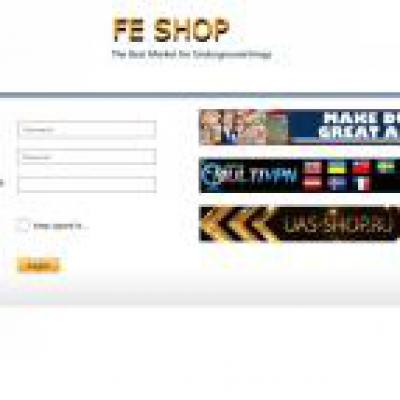
The dark web is a digital underworld teeming with hidden marketplaces, anonymous users, and illicit transactions. Among the many shadowy platforms that have risen and fallen, FE Shop has gained recognition as one of the more mysterious and controversial underground marketplaces. From digital fraud to the sale of stolen data, FE Shop has become synonymous with the darker side of the internet's hidden layers.
In this article, we take a closer look at fe shop, its purpose, how it operates, and why it has drawn attention from cybersecurity experts and law enforcement agencies alike.
FE Shop is believed to be a dark web marketplace that offers a wide range of illegal digital products. The “FE” in its name often refers to “Finalizing Early,” a term used in darknet markets where buyers agree to release funds to the seller before receiving their goods or services. This is a red flag in most legitimate transactions, but in the dark web ecosystem, it’s often a sign of trust—or manipulation.
While not as widely known as infamous platforms like JokerStash or BriansClub, FE Shop has quietly built a reputation among cybercriminal circles for offering compromised payment card data, hacking tools, fake identification documents, and other fraud-related digital goods.
Like most dark web marketplaces, FE Shop can only be accessed through Tor (The Onion Router) or similar anonymizing networks. This ensures both the users and the operators remain hidden from surveillance and detection.
Here's a simplified breakdown of how FE Shop operates:
Access via Tor Browser
Users navigate to FE Shop using a hidden .onion address, which is not accessible through regular browsers like Chrome or Safari.
Registration and Accounts
Users are often required to create an account, usually with minimal verification. Most accounts are anonymous and may involve cryptocurrency wallets for transactions.
Listings and Categories
FE Shop features listings for stolen credit card information (commonly known as CCs), account credentials, malware kits, and forged documents. Listings often include detailed information, like ZIP codes, card types, issuing banks, and even balance estimates.
Cryptocurrency Payments
Transactions are handled exclusively in cryptocurrency, typically Bitcoin or Monero, which provide anonymity and are harder to trace.
Vendor Trust and “FE” Terms
Trusted vendors may demand "FE" terms (finalize early), where buyers release funds before delivery. This controversial practice can lead to scams, but it’s still common in marketplaces with limited dispute resolution systems.
Despite the risks and illegal nature of its services, FE Shop appeals to cybercriminals for several reasons:
Specialization in Carding: FE Shop is rumored to specialize in carding (using stolen credit card info for unauthorized purchases), attracting a niche but loyal user base.
Low Barrier to Entry: Registration is simple, and the interface (though minimal) is designed for quick browsing and purchasing.
Bulk Data Sales: The shop often offers bulk packages of stolen card data at discounted prices—ideal for fraudsters looking to scale their operations.
Anonymity: With end-to-end encryption, hidden services, and crypto payments, users feel insulated from law enforcement.
Using or accessing sites like FE Shop comes with severe risks:
Legal Consequences
Merely buying stolen data or fraudulent documents is a federal crime in most countries. Law enforcement agencies monitor these platforms closely, and large-scale busts are not uncommon.
Exit Scams
Many dark web marketplaces, including those using “FE” policies, eventually perform exit scams—disappearing with users' crypto deposits.
Honeypot Operations
Some dark web sites are set up or infiltrated by law enforcement as honeypots to track and arrest criminals.
Malware and Backdoors
Downloading tools from FE Shop exposes users to malware, spyware, and backdoors, potentially compromising their own systems.
International agencies like the FBI, Europol, and Interpol have increasingly cracked down on dark web operations. They use undercover agents, cryptocurrency tracing, and digital forensics to identify and arrest high-value targets. Over the years, many dark web markets have been taken down, such as:
Silk Road (2013)
AlphaBay (2017)
DarkMarket (2021)
While FE Shop has largely stayed under the radar compared to these giants, its existence and operation are very much in the crosshairs of global cybersecurity task forces.
Given the volatility of dark web markets, FE Shop’s future remains uncertain. Most such platforms either go offline, get seized, or transition to new domains to stay ahead of law enforcement. Some shut down abruptly, often scamming users in the process.
However, as long as there’s demand for stolen data and fraudulent services, marketplaces like FE Shop will continue to evolve—be it under the same name or a new one.
FE Shop is a glimpse into the murky reality of the internet's hidden layers. It reflects the growing sophistication of cybercrime and the ease with which illegal digital goods can be bought and sold anonymously.
Understanding how platforms like FE Shop operate is essential for law enforcement, cybersecurity professionals, and even regular internet users who want to stay informed about the threats lurking just below the surface.
Though it may seem like a shadowy corner far removed from daily life, the ripple effects of sites like FE Shop—through identity theft, financial fraud, and data breaches—can impact anyone, anywhere.