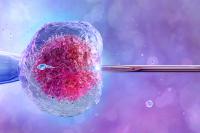
One of the most complex and amazing processes in nature is the emergence of new life. When a sperm and an egg meet, what may seem like a straightforward biological process is actually a carefully planned one that is difficult, precise, and resilient. Every stage of development, from conception to the first few weeks, is dictated by a remarkable interaction of biology, chemistry, and time that has developed over millions of years to guarantee the survival of the human race.
The female reproductive tract is the beginning of the journey to protect and challenge sperm on their way to the egg. Only a small portion of the millions of sperm released during ejaculation survive the challenging trip via the cervix, vagina, and fallopian tubes. Only the strongest and healthiest sperm can advance because every mucus layer, muscle contraction, and chemical signal acts as a natural filter. The ultimate fertilization has the highest possibility of producing a healthy child thanks to this strict selection.
For the egg as well, time is of the importance. It leaves the ovary during the midpoint of the menstrual cycle and waits for a potential mate at a strategic location in the fallopian tube. The meeting of sperm and egg occurs in this tiny theatre, a scientific marvel in which the genetic material of two parents combines to create a single, distinct human. At fertilization, long before the first pulse or facial feature appears, gender, physical attributes, and countless other qualities are automatically defined.
However, the rest of the process is far more fascinating. The zygote must divide and then proceed toward the uterus, all the while transforming into a blastocyst so that it can implant itself in the uterine wall. The hurdle of fertilization is nowhere near the end of challenges, and an incredibly minuscule proportion of fertilized eggs continue to develop after this point. The ones that do render themselves a wonderful process—they are formed into an embryo, and at some point, a fetus, complete with organs and a distinctive shape, and at the very least some rudimentary indicators of being alive.
From the first cell division to the flutter of a pulse and the growth of small hands and feet, the early phases of human development emphasize the delicate balance between fragility and tenacity. In addition to being a biological event, each milestone brings us one step closer to the birth of a new life, a unique individual.
From the time sperm pass past the female reproductive tract's barriers to the egg's fertilization, zygote formation, and the initial phases of embryonic and fetal development, this page walks you through that incredible trip. This story of tenacity, adaptability, and creation—a journey that begins quietly within the womb but is universal—contains the amazing possibilities of human existence.
For aspiring specialists who wish to study this miracle more closely, pursuing a Fellowship in Embryology in India offers an opportunity to dive deep into the science behind human beginnings, blending education with the wonder of creation.
The Journey of sperm through the Female Reproductive Tract
Swim through the cervical mucus layers that protect the uterine opening. This barrier thins and alters its acidity during ovulation, making the environment more hospitable for the sperm. Conversely, the egg reaches a certain section of the tube known as the ampullar-ismic junction after being released at around day 14 of the period.
It rests for another 30 hours. Fertilization occurs in this portion of the tube. After entering the uterus, the sperm are propelled upward into the fallopian tubes by contractions.
Few sperm survive the difficult trek from the vagina to the fallopian tubes, where they must meet the waiting egg. By ensuring that only the healthiest sperm fertilize the egg, this process may be nature's way of boosting the chances of a healthy offspring. The initial sperm arrive to the tubes a few minutes after ejaculation, but they are not likely to fertilize the egg.
Longevity of the Sperms
For as long as five days, motile sperm can remain in the female reproductive system. The fallopian tubes are where the magic occurs. The egg is pushed in the direction of the uterus by the fallopian tube. Cilia push the sperm towards the egg. Also, the surrounding cells of the egg produce a chemical that attracts sperm. The sperm first burrow through the cells of the corona radiata.
The sperm subsequently come into contact with the zona pellucida and adhere to its receptors. The digesting enzymes that have been housed in the sperm's acrazone, or enzyme-filled cap, are subsequently released. Finally, the sperm and egg's plasma membranes need to combine.
This event causes the egg membrane to change and prevent other sperm from attaching to it. Now attached, the sperm's nucleus, where the chromosomes are stored, enters the egg cell looking for the egg's nucleus. Egg combines genetic material with the sperm to create a full set of chromosomal DNA with 23 pairs of chromosomes that contain a unique copy of half the genes of the parent source.
This is the blueprint for a whole new unique person that instantly determines gender, hair colour, eye colour, and many other characteristics. The combined sperm and egg are called a zygote. It is the earliest developmental stage.
From Zygote to Blastocyst
It divides rapidly in the days following fertilization. The zygote then travels down the fallopian tube to the uterus. After fertilization, the zygote continues to divide and morph into a blastocyst ball of 16 cells approximately five to six days after fertilization.
It is smaller than the tip of a ballpoint pen. Only 20% to 30% of fertilized eggs will reach the blastocyst stage. Embryos that survive this stage of development have a high implantation potential once transferred into the uterine cavity.
The blastocyst hatches out of its shell and burrow into the uterine wall, endometrium, which serves as the source of oxygen and nutrients. About four weeks from the beginning of the last period, near the next period, the blastocyst has begun to produce the pregnancy hormone to tell your ovaries to stop releasing eggs. From then on, the menstrual cycle pauses.
The Embryonic Stage
The blastocyst is called an embryo now. Home pregnancy tests might be able to get a positive result. At week five, the circulatory system, brain, and spinal cord are beginning to form, and the tiny heart will start to beat.
The baby's heart beats about 54 million times before birth. The placenta provides oxygen and nutrients to the growing baby and removes waste products from the baby's blood via the umbilical cord. The nose, mouth, and ears are starting to shape at week six.
Rapid Growth
At weeks seven and eight, the embryo has doubled in size since last week's. Little hands and feet start to grow. At week nine to 12 of pregnancy, the embryo is called a fetus.
The baby is almost fully formed and has completed the most critical portions. The facial features are more recognizable. The fetus's head is rotated and bent towards the chest, and he can occasionally touch his face.
The diaphragm muscles start to grow. The reproductive, circulatory, and urinary systems are all at an advanced stage of development. The fetus will urinate in the amniotic sac.
It is a sign of the proper functioning of the fetus's body. If the baby is a girl, her ovaries contain millions of eggs. If the fetus is a boy, his testicles will already start producing testosterone, male sex hormone, which is necessary for the development of his reproductive system.
She or he is about five centimetres in size and 14 grams in weight. She or he is growing and maturing until ready to birth.
Medline Academics
For physicians, embryologists, and life science graduates who want to pursue a successful career in reproductive medicine, Medline Academics provides specialized training programs like the Fellowship in Embryology in India. These courses include interactive modules, practical laboratory experience, and advice from top reproductive experts to go beyond textbooks. Medline Academics has established a solid reputation in professional education by working to develop the next generation of embryology and assisted reproduction specialists. It is a top option for anyone who wants to progress in this particular profession because of its mentorship-driven approach, internationally applicable standards, and planned curriculum.
“For those inspired by the science of life’s beginnings, understanding Embryology Course Eligibility can be the first step toward building a career in reproductive medicine.”
The road of life involves not just ability and effort, but also science. Understanding Embryology Course Duration is frequently the first step in selecting the best training path for prospective embryologists, since the program's duration and structure greatly influence the development of practical knowledge.
Dr. Kamini Rao Hospitals
Dr. Kamini Rao Hospitals is a ray of hope for couples hoping to become parents, upholding the same standard of quality from training to patient care. With decades of groundbreaking work in reproductive medicine under the direction of Padma Shri Prof. Dr. Kamini A. Rao, the facility is renowned as the top IVF centre in Bangalore. Modern technology, caring staff, and a group of professionals have made the facility a household name for effective reproductive treatments. Every trip is customized for each person, guaranteeing that science and compassion combine to produce life's wonders.