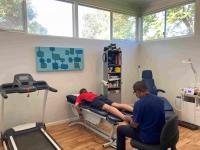
The most common foot deformity that brings people to a podiatrist is bunions. If you're experiencing pain or discomfort in your toes, or if the misalignment is getting worse, it may be worth considering surgery. You may be considering a bunions in Perth and discussing your options with Dr Brent Radford at Foot Focus Podiatry. Here's what to expect: his expertise and experience on what surgery involves. He will also explain the benefits and risks of the procedure.
Understanding the background of a clinician is important for building trust. Dr Brent Radford has a Bachelor's of Science (with distinction in Podiatry) and a Masters of Applied Podiatry. His practice spans over 25 to 27 years, and he is a specialist in biomechanics. He also has specialised knowledge of orthotic therapy, manual therapy, and joint mobilization. footfocuspodiatry.com.au+1 He practices at Foot Focus Podiatry in Wilson (Perth), and the clinic states that they handle foot deformities (such as bunions) and offer conservative care and surgery where necessary.
Knowing the practitioner has deep experience and a track record, you can feel more confident that the content below is grounded in real-world practice, not just theory.
The metatarsophalangeal joint (where big toe meets foot) is also shifted. This bony prominence may cause discomfort, calluses and corns as well as changes in gait. The deformity may affect the other toes and cause arthritis. It can also change the way you walk.
The decision to have surgery in Perth, or anywhere else, isn't just about cosmetics. It has a lot more value than that. Practitioners like Dr Radford tell their patients that the question to ask is: "Will this surgery improve your quality of life and function compared with the status quo?
The best way to avoid surgery is to first explore conservative treatment options, as Dr Radford and his clinic emphasize.
Shoes with a wide toe box, low heels, and good support.
Insoles or orthotics made to order: To correct pronation and gait mechanics which may be contributing to bunion development. Foot Focus Podiatry places a strong emphasis on biomechanics.
Manual therapy: trigger-point releases, joint mobilization and other hand-on techniques (Dr Radford has been trained).
Protective padding: For bony bumps or corns.
Reduce irritation caused by shoes and high-impact activities.
Many patients choose not to undergo surgery if conservative treatment keeps their pain under control, does not affect daily activities, and stabilizes the deformity. When these treatments fail or the bunion has a significant impact on life, then surgery is a good option.
Here are some common signs that a Dr Radford or other specialist will suggest a surgical evaluation:
Pain persists despite care taken, particularly in the shoes or when walking.
Deformity progressive: The big toe drifts, or the joint degenerates. Other toes may also be involved.
Inability to walk or run, and difficulty in daily living.
Secondary issues: Joint arthritis, Metatarsalgia pain (pain in the toes of other feet), difficulties with balance/gait.
For some people in Perth, who have a painful bunion and are under the care of experienced surgeons and with informed consent, surgery is worth it.
Bunions can be treated surgically in a variety of ways (osteotomy or joint fusion) depending on the severity of the condition, its age, level of activity, arthritis present, quality of bone, etc. The clinic states that they have a podiatrist on staff.
Typically, the key steps include:
Pre-operative evaluation: Imaging (x-rays), biomechanical evaluation of gait and medical history.
Under local anaesthesia or general, the surgeon may realign the bones and use plates/screws to correct the soft tissues.
After-operative treatment: Immobilisation (sandals, boots), restricted weight-bearing and physiotherapy/rehab.
Timeline for recovery: weeks or months. Full return to normal activity and shoes may take months.
The following risks are possible: nerve damage, infection, recurrence and non-union.
Here are some of the many benefits that patients enjoy when surgery is well-indicated and successful:
Pain relief, particularly when walking, standing or wearing shoes.
Comfortable wearing of preferred footwear, including narrower shoes or dress shoes.
Better biomechanics and less strain on joints/structures.
Mobility: Improved walking, running and balance.
It is often worth the cost if you have a bunion that is affecting your daily life. The "worth" of the surgery depends also on your realistic expectations, proper surgical planning and rehab.
Surgery isn't a miracle cure. Factors to consider:
Even a routine bunion surgery may take 6-12 weeks to recover enough for comfortable shoes and 3 - 6 months or more (or even longer) before full recovery.
Costs: hospital fees, surgery, leave of absence, and physiotherapy.
As mentioned above, risks and complications are important to consider.
Possible residual pain or recurrence (if your expectations are unrealistic).
You may be able to get by with conservative alternatives. If you have mild symptoms and are adjusting to lifestyle changes, you may want wait and monitor.
Here are some questions to ask yourself when you decide whether or not you want surgery, especially in Perth with Dr Brent Radford at Foot Focus.
What is the impact of a bunion on my everyday life? (footwear, standing, walking, pain, etc.)
How have my previous attempts (footwear change, orthotics, or manual therapy) been received?
What has changed (big toe deformity, involvement of other toes, changes in joints)?
How experienced is the surgeon in treating bunions? What about complications rates?
When can I resume normal activity and shoes?
What is the likely outcome (pain relief? Shoe comfort and function?
Which risks are specific to my situation (age, osteoporosis, arthritis and general health)
How much time and money will you need to take off from work?
Discuss openly these issues with Dr Radford and the surgical specialist. Communication and transparency are important for trustworthiness.
Given you are looking at a bunion in Perth, choosing a clinic that understands local patient profiles, footwear habits, lifestyle factors, and has a strong surgical/rehabilitation pathway is important. Foot Focus Podiatry is a Perth-based multidisciplinary practice that offers podiatry, biomechanics and surgery whenever necessary.
Having a practitioner like Dr Radford -- with special interest in biomechanics and a long-standing local practice -- adds real authority. This authority combined with clear communication and proven results helps you build trust when it comes to surgery.
You'll be able to weigh your personal benefits against the risks and costs. This will allow you to compare your own benefits with the costs and risks. Many patients who have had the surgery say that it was well worth it. This is because they chose the right doctor and circumstances.