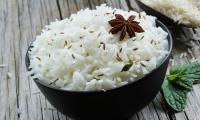
Basmati rice, often called the “Queen of Fragrance,” holds a unique place in the world of culinary treasures. Known for its delicate aroma, slender grains, and exceptional cooking quality, Basmati rice has been cherished for centuries in households and fine dining alike. Its popularity stems not just from its taste and texture, but also from the cultural significance it carries, often featuring in festive meals, traditional recipes, and gourmet innovations. Over the years, this long-grain rice variety has evolved from being a staple food in certain regions to a sought-after commodity in international trade, driven by changing consumer preferences, premium positioning, and increasing awareness of its health benefits.
According to Expert Market Research, the rising demand for premium-quality rice, particularly in regions with growing middle-class populations, has significantly boosted the prospects for Basmati rice industry. Increasing disposable incomes, urbanization, and a growing appreciation for authentic culinary experiences are key drivers for its rising consumption. In addition, the health-conscious population is gravitating towards Basmati rice due to its lower glycemic index, easy digestibility, and nutrient profile. Export opportunities continue to expand as global cuisines adopt Basmati rice in restaurants and packaged food products, further solidifying its position as a high-value agricultural commodity.
The appeal of Basmati rice lies in its ability to merge heritage with contemporary dining preferences. While its origins trace back to fertile valleys nurtured by centuries-old farming traditions, today’s buyers are not just looking for heritage — they want authenticity paired with convenience. This is why Basmati rice is now available in various packaging formats, including ready-to-cook pouches, organic-certified bags, and fortified blends catering to health-focused consumers.
Restaurants and catering services are increasingly incorporating it into diverse recipes, from traditional biryanis to fusion dishes like Basmati risotto and rice salads. The grain’s ability to adapt to multiple cuisines without losing its unique aroma gives it a competitive edge over other rice varieties.
One of the strongest factors shaping the Basmati rice industry is premium branding. Companies are no longer just selling rice; they’re selling a story — the rich history, the meticulous cultivation, and the authenticity of origin. Certifications like Geographical Indication (GI) tags add credibility, ensuring customers are buying true Basmati grown in designated regions. This premium branding strategy allows producers to command higher prices, appealing to consumers who view Basmati rice not merely as a food product but as a lifestyle choice.
Packaging innovations, sustainability certifications, and traceability features are now essential marketing tools. Consumers increasingly want to know where their rice comes from, how it’s cultivated, and whether it aligns with eco-friendly farming practices.
Culinary tourism plays a surprising yet important role in the rising global appeal of Basmati rice. Tourists visiting South Asian countries often return home with a fondness for authentic dishes like biryani or pulao, seeking the same flavor experience back in their home countries. This demand has encouraged exporters to expand their supply networks, ensuring consistent quality and taste across borders.
Basmati rice exports have surged in regions such as the Middle East, Europe, and North America, where multicultural communities and food diversity fuel its consumption. Strategic partnerships between producers and international distributors help streamline supply chains, ensuring that consumers thousands of miles away receive grains as fresh and aromatic as when they left the fields.
While traditionally consumed in South Asian and Middle Eastern cuisines, Basmati rice has found an enthusiastic audience in Australia. The country’s increasingly multicultural population and evolving dining trends have created a thriving demand for premium rice varieties. Australian consumers, particularly in metropolitan areas, are seeking authentic Basmati to recreate restaurant-style meals at home. Additionally, the health-conscious demographic is turning to Basmati for its balanced nutritional profile and ability to complement plant-based and protein-rich diets.
Retailers and specialty stores in Australia have expanded their offerings, with organic, aged, and specialty Basmati varieties becoming more accessible. This shift not only boosts imports but also strengthens long-term trade relationships between Australian distributors and Basmati-producing nations.
Advancements in milling, sorting, and packaging technologies have transformed the Basmati rice supply chain. Modern processing plants now use automated systems to ensure uniform grain length, minimal breakage, and consistent aroma retention. These improvements not only meet consumer expectations for quality but also extend the product’s shelf life.
Furthermore, sustainability initiatives, such as water-efficient irrigation methods and eco-friendly packaging, are gaining momentum among leading producers. Such innovations are crucial in maintaining competitiveness in an industry where both quality and environmental responsibility matter to the end consumer.
In an era where wellness is a priority, Basmati rice’s nutritional profile positions it as an attractive choice for health-conscious individuals. Its lower glycemic index compared to other rice varieties makes it a preferred option for people monitoring blood sugar levels. Additionally, its light, fluffy texture and natural aroma enhance meal satisfaction without the need for excessive fats or additives.
The rising popularity of plant-based diets has also contributed to the demand for Basmati rice, as it serves as a versatile base for vegetable stir-fries, grain bowls, and protein-rich curries. Organic and pesticide-free Basmati varieties are gaining particular attention among consumers who prioritize clean eating.
While the Basmati rice sector is ripe with opportunity, challenges such as fluctuating crop yields, climate change, and trade regulations can impact its growth trajectory. The key for producers and exporters will be to invest in resilient agricultural practices, diversify markets, and maintain strict quality standards.
With strategic branding, sustainable farming, and innovative marketing, Basmati rice can continue to capture the attention of discerning consumers worldwide. Its enduring charm lies not just in its taste but in the story it tells — of heritage, craftsmanship, and the timeless art of cultivating grains that have nourished generations.