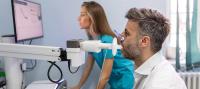
Maintaining healthy lungs is essential for overall well-being, and persistent respiratory symptoms should never be ignored. A VA Pulmonary Function Test in Virginia is an advanced diagnostic tool that helps assess lung function, detect respiratory conditions, and guide effective treatment strategies. Beyond diagnosis, these tests offer numerous long-term benefits for managing chronic lung diseases and supporting overall respiratory health. Understanding how pulmonary function tests work and the advantages they provide can empower patients to take proactive steps toward healthier lungs.
A pulmonary function test (PFT) measures how well the lungs are working by evaluating airflow, lung volume, and oxygen transfer into the blood. Conducted in specialized clinics in Virginia, a VA Pulmonary Function Test is safe, non-invasive, and suitable for most patients, including children and older adults.
These tests provide objective data that specialists use to:
Diagnose respiratory conditions
Monitor disease progression
Evaluate treatment effectiveness
Plan long-term management strategies
PFTs can detect a wide range of lung conditions, including:
Asthma
Chronic Obstructive Pulmonary Disease (COPD)
Pulmonary fibrosis
Pulmonary hypertension
Exercise-induced respiratory issues
Accurate diagnosis allows specialists to tailor treatment plans effectively, ensuring patients receive the right care for their specific condition.
Pulmonary function tests can identify abnormalities even before symptoms become severe. Early detection allows for:
Timely medical intervention
Slowing disease progression
Minimizing complications
Improved long-term outcomes
For patients with chronic lung conditions, regular VA Pulmonary Function Tests help track changes in lung function over time. Specialists can:
Adjust medications or therapies
Evaluate the effectiveness of lifestyle changes
Identify worsening symptoms early to prevent hospitalization
Results from pulmonary function tests guide specialists in developing individualized treatment plans, including:
Appropriate medications such as inhalers, bronchodilators, or anti-inflammatory drugs
Lifestyle recommendations, including quitting smoking, improving diet, and exercising safely
Pulmonary rehabilitation programs for strengthening the lungs and enhancing endurance
Before surgery, PFTs help evaluate lung capacity and determine anesthesia risks. This ensures patient safety during procedures and aids surgeons and anesthesiologists in planning appropriately.
By understanding how your lungs function, specialists can provide specific recommendations to improve lung health. These may include:
Avoiding environmental pollutants and allergens
Implementing exercise routines that strengthen respiratory muscles
Managing chronic conditions effectively through diet, medications, and breathing techniques
By identifying and managing lung issues early, PFTs help patients experience:
Reduced shortness of breath and fatigue
Better sleep quality
Increased physical activity and mobility
Greater confidence in daily life activities
Patients recovering from respiratory infections, including COVID-19, may have lingering lung issues. Pulmonary function tests evaluate recovery progress and guide rehabilitation programs, improving long-term outcomes.
Preventive Care: Early identification of lung impairment allows for preventive interventions.
Tailored Management: Specialists develop personalized care plans based on test results.
Ongoing Monitoring: Regular testing tracks disease progression and adjusts treatments as needed.
Patient Education: Understanding results empowers patients to make informed decisions about their lifestyle and treatment.
Improved Outcomes: Accurate diagnosis and management reduce hospitalizations and improve overall quality of life.
Proper preparation ensures accurate results and a smooth experience:
Avoid smoking for several hours before testing
Follow instructions regarding inhalers or other medications
Wear comfortable, loose clothing
Avoid heavy meals and caffeine prior to the test
Bring any relevant medical records or previous test results
1. Are pulmonary function tests safe for everyone?
Yes, VA Pulmonary Function Tests are non-invasive, safe, and suitable for most age groups, including children and seniors.
2. How often should I undergo a PFT?
Frequency depends on your condition and your specialist’s recommendations. Chronic conditions may require testing every few months to annually.
3. Will the test be painful?
No, pulmonary function tests are painless. Some patients may feel slight fatigue during forceful breathing maneuvers.
4. Can lifestyle changes improve test results?
Yes, quitting smoking, exercising regularly, managing allergies, and following treatment plans can enhance lung function.
5. How do PFT results help specialists?
Results guide diagnosis, track disease progression, adjust treatment plans, and provide insights for lifestyle modifications to support long-term lung health.
A VA Pulmonary Function Test is more than a diagnostic tool—it’s an essential step toward maintaining long-term lung health. By accurately assessing lung function, detecting early abnormalities, guiding treatment plans, and supporting rehabilitation, these tests help patients in Virginia live healthier, more active lives. Whether you are managing a chronic condition, recovering from a respiratory illness, or seeking preventive care, undergoing a VA Pulmonary Function Test ensures that your lung health is monitored, supported, and optimized for the future.