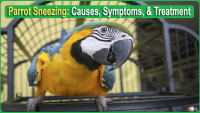
Are you finding unique stuffs about Parrot Sneezing? And, how can stop it with home remedies and medical assistance? If yes! Then you have come at the right page, because here you will get all possible things about your parrot keeps sneezing and their causes symptoms, prevention and treatment with ease.
Do you have curious to grab information about your parrots sneezing? These colorful feathered birds, occasionally keep sneezing behavior, then pet owners get shocked. However, an occasional sneeze is normal behavior. It may be a part of their natural respiratory process, but persistent or excessive sneezing could indicate an underlying issue.
Generally, parrots can lead exceptionally long lives, but that doesn’t exactly mean that they will not contract illnesses over time. There are many major reasons of sneezing in parrots that you should need to be aware of.
Yes! Parrots do sneeze. When your parrots get sneeze, then it helps to expel irritants from their nasal passages. If, sneezing as occasional, then it can be normal; because it may occur from dust, dander, or minor irritants.
But, If sneeze is happening as frequent or persistent, then it may give indication environmental irritants, allergens, infections (bacterial, viral, or fungal), and nutritional deficiencies.
Your parrots can show symptoms like nasal discharge, labored breathing, or lethargy. Then, quickly take consultation from an avian veterinarian.
You should keep a clean environment and offering a balanced diet. It can give protection from sneeze problem and ensure their respiratory health.
There some vital differences in between normal and abnormal sneezing in parrots are:
Parrots sneezing after taking water can be a normal reflex or indicate specific issues. There are few potential reasons, including:
Sneezing in parrots can arise from various causes, some of which are relatively harmless, while others may indicate serious health issues. Here are the seven major reasons why parrots might sneeze.
Dust and Dander: Parrots produce the feather dust that along with dander; it can accumulate in their environment. These particles may irritate their respiratory system that lead to sneeze problem. You can get minimize sneezing issue with cleaning of the cage and surrounding area.
Aerosols and Chemicals: Some household products, including air fresheners, cleaning agents, and perfumes consist the chemicals particles. They can highly irritating to a parrot’s sensitive respiratory system. So, you should be keeping away these products from your parrots.
Tobacco Smoke: Cigarette smoke is most harmful to parrots, if they exposure it. Tobacco smoke have more dangerous chemical that can pose many respiratory irritation. So, this smoke can lead to chronic sneezing in your parrots.
Food Allergies: Parrots can get allergic to some foods, including specific fruits, seeds, or other ingredients in their diet. Allergic reactions can pose sneezing along with other symptoms such as itching and digestive upset.
Environmental Allergens: Parrots can also get allergens from pollens, mold spores, and other airborne particles. Seasonal changes or poor ventilation can also increase these allergens in the parrot’s environment.
Bacterial Infections: Some bacteria such as Mycoplasma or Chlamydia can also affect the parrot’s respiratory system. There symptoms are often include sneezing, nasal discharge, and general lethargy. Now, your parrots need the prompt veterinary treatment with antibiotics.
Viral Infections: Viruses like Avian Influenza or Psittacine Beak and other Feather Diseases (PBFD) can also reason of respiratory symptoms in parrots, including sneezing. These infections are often serious, and may show many signs like feather loss or beak deformities.
Fungal Infections: Aspergillus fungal infection is common found in birds that caused by the Aspergillus fungus. Generally, it affects the respiratory system that will show many symptoms including sneezing, difficulty breathing, and nasal discharge. So, you should give antifungal treatments, and often get environmental adjustments to decrease the humidity and mold growth.
Lodged Particles: Parrots are more curious, and accidentally intake small particles or debris when they are playing. Seeds, bits of food, or other small objects can become lodged in their nasal passages, causing irritation and sneezing. Should be monitoring the parrot’s environment and keeping it free of small, inhalable objects can help prevent this.
Vitamin A Deficiency: Due to lack of Vitamin A in a parrot’s diet, parrots can lead to poor respiratory health. Vitamin A helps to maintain the healthy mucous membranes in the respiratory tract. Their deficiency can become dry the mucous membranes, and get more susceptible to infection and irritation that leading to sneezing and other respiratory symptoms.
Dry Air: Parrots are more sensitive to the humidity levels in their environment. Too dry air can dry out their nasal passages that leading to irritation and sneezing. So, you can use a humidifier to ensure adequate humidity levels that can help maintain their respiratory health.
Temperature Fluctuations: Sudden changes in temperature, such as drafts or moving a parrot from a warm to a cold area abruptly, can stress their respiratory system and lead to sneezing. So, you should be maintaining a stable and comfortable temperature to their health.
Stress: Parrots are more sensitive to changes in their environment or routine. High stress levels can weaken their immune system that making them more susceptible to infections and respiratory issues.
Sneezing itself is a primary symptom. But, it can also show other various signs that indicating a potential health issue.
Labored Breathing: If, parrots take breath in difficulty as wheezing, or open-mouth breathing; then it can indicate respiratory distress.
Coughing or Wheezing: Sounds of coughing or wheezing often accompany respiratory infections.
Lethargy: Decreased activity levels and increased sleepiness are common signs of illness.
Loss of Appetite: A sick parrot may eat less or refuse food entirely.
Swelling around Eyes or Nasal Area: Swelling can indicate infection or inflammation in the sinus cavities.
Changes in Vocalization: Altered sounds or less frequent vocalization can signal discomfort or illness.
Feather Plucking: Stress or discomfort might lead to feather plucking. It is sometimes associated with respiratory issues.
There are some home treatments for parrot sneezing, including:
The medical treatment for parrots sneezing depends on the underlying cause of the sneezing. Here are some common treatments for parrots sneezing, including:
Yes! Occasional sneezing in parrots can be normal, just like in humans. It may be a response to dust or other irritants in the air. However, frequent or persistent sneezing should be monitored closely.
You should concern, if your parrot’s sneezing is accompanied by other symptoms such as:
Yes! Balanced diet can also support overall health, including respiratory health. so, you should feed a varied diet with fresh fruits, vegetables, and high-quality pellets. Avoid foods that may cause allergies or respiratory issues.
Signs of a respiratory infection in parrots may include:
If you suspect your parrot has a respiratory infection, take the following steps:
As a result of this post, parrots may keep sneezing due to several reasons, such as environmental concerns, dust, or minor irritants. Occasional sneezing can be marked as normal behavior; however, persistent or severe episodes may indicate underlying health issues. In such cases, you should promptly seek veterinary attention. Just like when offering new foods such as a banana, observing your parrot’s reactions and overall health is essential for early detection of problems.
If this article is valuable for you, then please share it along with your friends, family members, pet lovers or relatives over social media platforms like as Facebook, Instagram, Linked In, Twitter, and more.
Do you have any experience, tips, tricks, or query regarding on this? You can drop a comment!