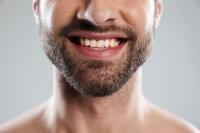
Undergoing a Beard Hair Transplant in Riyadh can be life-changing for men seeking a fuller, natural-looking beard. While the procedure itself is important, following proper recovery guidelines is equally crucial to ensure optimal results. Post-procedure care helps promote healthy hair growth, prevents complications, and accelerates the healing process. Understanding the steps and precautions can significantly enhance the success of your transplant.
The first 24–48 hours after your transplant are critical for recovery:
Avoid touching, scratching, or rubbing the treated area
Sleep with your head elevated to reduce swelling
Use the recommended cold compress to minimize discomfort
Follow the surgeon’s instructions for cleaning the transplant site
Adhering to these initial care steps ensures that the newly implanted follicles remain stable and undisturbed.
Mild swelling and redness are common after a beard transplant:
Apply cold compresses gently as advised by your surgeon
Avoid strenuous activity for the first few days
Take prescribed anti-inflammatory medications if recommended
Keep the area clean and dry to prevent irritation
Proper management reduces discomfort and accelerates the healing process.
Maintaining cleanliness is essential to prevent infection:
Use only the recommended gentle cleanser for the treated area
Avoid harsh soaps or exfoliants until fully healed
Pat the area dry with a soft, clean towel
Refrain from applying creams or oils not approved by your surgeon
Hygiene practices play a key role in protecting transplanted follicles during the early growth phase.
Your body’s healing process can be affected by physical activity:
Avoid intense exercise, heavy lifting, or contact sports for at least a week
Prevent sweating that could irritate the transplant site
Avoid any activity that may cause trauma to your face
Resume regular activities gradually based on surgeon guidance
Minimizing strain ensures better follicle retention and reduces the risk of complications.
Sun exposure can negatively impact recovery:
Avoid direct sunlight for the first few weeks
Use a wide-brimmed hat when outdoors
Refrain from tanning beds or harsh UV exposure
Protect sensitive areas from dust, dirt, and pollution
Shielding your face allows the transplanted follicles to settle without external interference.
Scabs are a normal part of the healing process:
Do not pick, scratch, or peel scabs as this may dislodge follicles
Allow scabs to fall off naturally within 7–10 days
Apply any prescribed ointments to reduce itching and promote healing
Follow gentle cleansing routines to prevent buildup
Proper scab care ensures healthy follicle integration and avoids scarring.
Shedding is a normal phase in beard transplant recovery:
Transplanted hair may fall out within the first 2–4 weeks
New growth typically begins around 3 months post-procedure
Full density is achieved within 9–12 months
Patience is key as hair growth follows a natural cycle
Understanding this process prevents unnecessary worry and helps track progress effectively.
Supporting recovery through diet and lifestyle can enhance results:
Consume a balanced diet rich in protein, vitamins, and minerals
Stay hydrated to promote healthy skin and hair growth
Avoid smoking and excessive alcohol, which can hinder healing
Maintain a consistent sleep schedule to support overall recovery
A healthy lifestyle complements surgical care and promotes optimal beard growth.
Regular check-ins with your surgeon are essential:
Attend all scheduled follow-up appointments to monitor growth
Discuss any concerns, unusual symptoms, or discomfort
Adjust aftercare routines based on surgeon recommendations
Ensure long-term monitoring to maintain results
Follow-ups help detect issues early and provide guidance to achieve the best outcome.
Recovery is a crucial component of a successful Beard Hair Transplant in Riyadh. By adhering to post-procedure guidelines—such as proper hygiene, managing swelling, avoiding physical strain, protecting against sun exposure, and maintaining a healthy lifestyle—you can significantly enhance hair growth and ensure natural-looking results. Patience and consistent aftercare, combined with professional follow-ups, are key to achieving a fuller, well-groomed beard that lasts for years. Following these recovery tips maximizes your investment, promotes healing, and helps you enjoy the confidence and aesthetic benefits of a successful beard transplant.