
Audio visual solutions have become a powerful force in transforming the way people communicate, collaborate, and present information across various industries. From corporate boardrooms to educational institutions and entertainment venues, these solutions are redefining how audio and visual elements come together to create seamless and engaging experiences. The rapid advancement in digital technology has made audio visual systems more sophisticated, accessible, and essential in today’s connected world.
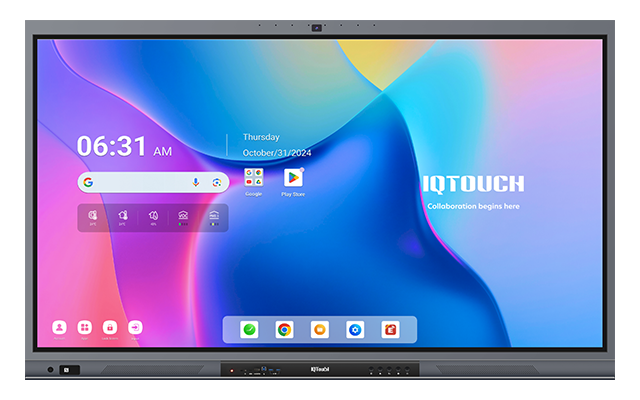
Modern AV integration focuses on combining sound systems, display technologies, and control systems into a unified platform. This integration allows users to manage presentations, video conferencing, and multimedia content with ease. High-definition displays, projectors, and interactive screens are commonly used to deliver visually appealing content, while advanced sound systems ensure clarity and precision in audio delivery. These elements work together to create an immersive environment that enhances communication and understanding.
The demand for smart meeting rooms has significantly increased, leading to the widespread adoption of audio visual solutions in corporate settings. Businesses are investing in video conferencing systems, wireless presentation tools, and automated control systems to improve productivity and collaboration. These technologies enable teams to connect in real time, regardless of their physical location, making remote work and global partnerships more efficient than ever before.
In addition to corporate applications, audio visual solutions play a crucial role in retail, healthcare, and hospitality sectors. Digital signage, for instance, is widely used to display advertisements, information, and promotional content in a visually engaging manner. In healthcare, AV systems support telemedicine and remote consultations, improving patient care and accessibility. The versatility of these solutions makes them indispensable in various professional environments.
The primary goal of audio visual solutions is to enhance user experience by delivering high-quality sound and visuals that capture attention and convey messages effectively. The integration of cutting-edge technologies such as 4K displays, surround sound systems, and interactive interfaces has elevated the standard of communication. These advancements ensure that presentations and content are not only informative but also visually appealing and engaging.
Interactive displays and touch-enabled screens have revolutionized the way users interact with content. These tools allow presenters to annotate, highlight, and manipulate information in real time, making sessions more dynamic and participatory. This level of interactivity is particularly beneficial in educational settings, where students can engage with the material more actively.
Another important aspect of audio visual solutions is their ability to support hybrid environments. As organizations continue to adopt flexible work models, the need for seamless communication between in-person and remote participants has become critical. AV systems equipped with high-quality cameras, microphones, and collaboration software ensure that all participants have a consistent and immersive experience.
The integration of artificial intelligence and automation is further enhancing user experience. Smart AV systems can adjust lighting, sound levels, and display settings automatically based on the environment and user preferences. This level of automation not only improves efficiency but also reduces the need for manual intervention, allowing users to focus on their core activities.
Audio visual solutions are playing a significant role in driving business growth and improving productivity. Effective communication is essential for any organization, and AV technology provides the tools needed to deliver clear and impactful messages. Whether it is a sales presentation, a training session, or a corporate event, the use of high-quality audio and visual elements can make a lasting impression on the audience.
The adoption of AV solutions has also streamlined internal processes within organizations. Meetings can be conducted more efficiently with the help of video conferencing and collaboration tools, reducing the need for travel and saving both time and resources. This efficiency translates into increased productivity and better utilization of organizational assets.
Training and development programs have also benefited from audio visual solutions. Interactive training modules, virtual simulations, and multimedia content make learning more engaging and effective. Employees can acquire new skills and knowledge in a more immersive environment, leading to improved performance and job satisfaction.
Moreover, audio visual solutions contribute to brand image and customer engagement. Businesses can use digital displays and immersive experiences to showcase their products and services in a compelling manner. This not only attracts customers but also enhances their overall experience, leading to higher levels of satisfaction and loyalty.
The future of audio visual solutions is marked by continuous innovation and technological advancements. Emerging technologies such as virtual reality and augmented reality are expected to redefine the way people interact with audio and visual content. These technologies will enable users to experience immersive environments that go beyond traditional displays and sound systems.
Cloud-based AV solutions are also gaining popularity, offering greater flexibility and scalability. Organizations can manage their AV systems remotely, access content from anywhere, and integrate multiple locations into a single network. This approach simplifies management and reduces the complexity of traditional AV setups.
Another significant trend is the integration of Internet of Things devices with AV systems. Smart sensors and connected devices can provide real-time data and insights, allowing for better control and optimization of audio visual environments. This connectivity enhances efficiency and ensures that systems operate at their best performance levels.
Sustainability is also becoming a key focus in the development of audio visual solutions. Energy-efficient devices and eco-friendly practices are being adopted to reduce environmental impact. This shift towards sustainability reflects the growing awareness of environmental responsibility in the technology industry.
As technology continues to evolve, audio visual solutions will become even more advanced and integrated into everyday life. The ability to deliver high-quality, immersive experiences will remain a driving force behind their adoption and development.
audio visual solutions have emerged as a vital component of modern communication, offering powerful tools to enhance interaction, collaboration, and engagement. Their ability to combine high-quality audio and visual elements into a cohesive system makes them indispensable across various industries. From improving business productivity to creating immersive user experiences, these solutions are transforming the way information is shared and consumed. As innovation continues to shape the future, audio visual solutions will play an increasingly important role in connecting people and delivering impactful communication in a rapidly evolving digital world.


